

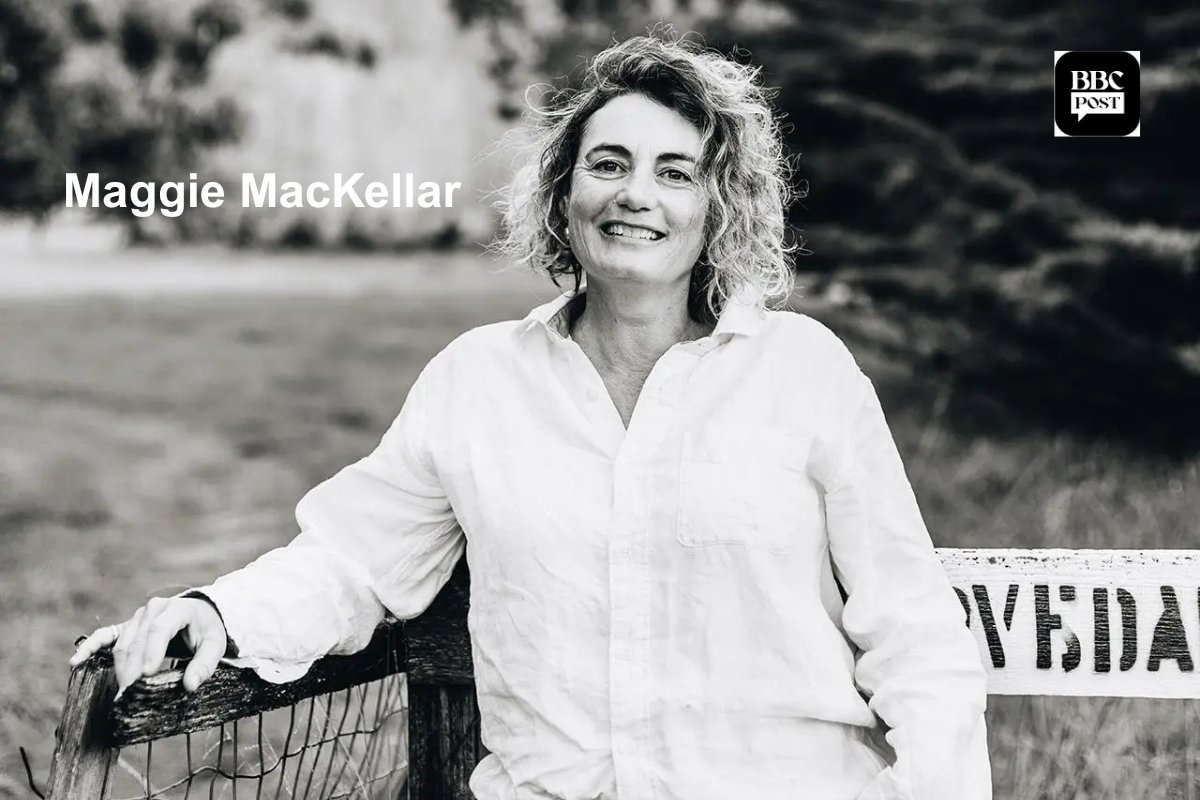
Maggie MacKellar is an Australian writer and historian whose work is grounded in family life, land, memory and responsibility. Across memoir, history and personal essays, she has developed a steady, attentive voice that resists spectacle and instead records the texture of everyday living. Her writing focuses on how people live through loss, commitment and time, shaped by routine rather than resolution.
She is best known for her memoirs When It Rains, How to Get There and Graft, alongside earlier historical works. In recent years, her work has been closely associated with rural Tasmania, where she lives on a sheep farm and continues to write about animals, seasons, ageing and the daily labour that sustains life.
Childhood and Early Influences
Maggie MacKellar grew up in suburban Sydney. While her everyday childhood environment was urban, her strongest early influences came from time spent on her grandparents’ farm in western New South Wales. Those visits introduced her to animals, farming routines and seasonal rhythms, experiences that left a lasting impression.
As a child, she developed a strong interest in reading, history and the natural world. The contrast between city life and the farm shaped her early understanding of place, responsibility and attention. These early experiences would later inform both her lifestyle choices and her writing.
Family Background
MacKellar is the daughter of Michael John Randal MacKellar, who served as a Federal Cabinet Minister during the Fraser Government. Growing up in a family connected to public life exposed her to national affairs, but her own writing does not focus on politics or institutions.
Instead, her work turns inward, towards family relationships, care and memory. Public life forms part of her background, but not the subject of her books.
Siblings and Family Bonds
She has written about growing up with an older brother who is non-verbal and lives with a disability. This relationship appears most clearly in Graft, where it is woven into reflections on lifelong bonds, patience and responsibility.
Rather than isolating disability as a topic, her writing places it within the ordinary fabric of family life, shaping her understanding of care as something continuous and enduring.
Education and Academic Career
MacKellar studied history and later worked as a lecturer at the University of Sydney. Her academic training shaped her early career as a historian, leading to books that explored settlement, migration and belonging.
Her historical work examined how people adapt to new places and how identity is shaped by movement and displacement. These themes later re-emerged in her memoirs, not as abstract ideas but as lived experience.
Early Historical Works
Her first books were works of history:
- Core of My Heart, My Country
- Strangers in a Foreign Land
These books combined research with narrative storytelling and laid the groundwork for her later interest in place, belonging and continuity.
Turning to Memoir
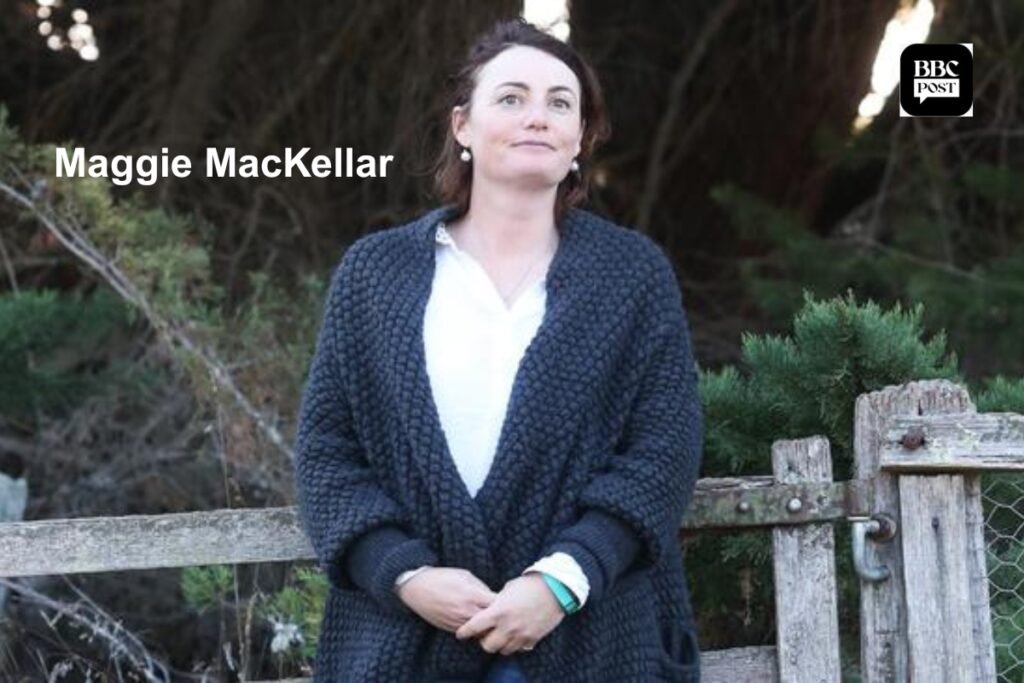
The shift from history to memoir marked a significant change in MacKellar’s writing life. Memoir allowed her to bring intellectual inquiry closer to personal experience, exploring loss, parenting and care without academic distance.
This transition did not abandon historical thinking. Instead, it absorbed it into personal narrative, allowing past and present to coexist within everyday life.
When It Rains: Loss and Survival
When It Rains is a memoir that explores grief, sudden loss and the long process of rebuilding life. The book focuses on the slow work of survival rather than dramatic moments, following how daily routines continue after profound change.
The memoir established MacKellar’s voice as a memoirist and brought her writing to wider attention.
Australian Story and National Recognition
In 2011, Maggie MacKellar appeared on ABC Television’s Australian Story in an episode titled “The Man on the Mantelpiece.” The program followed her experience of loss, motherhood and retreat to rural life.
The episode played a key role in introducing her story to a national audience and became closely associated with When It Rains, shaping how many readers first encountered her work.
How to Get There: Choosing a New Life
How to Get There explores love, relocation and the decision to begin again. The memoir traces the emotional and practical realities of moving towards life on the land and committing to it.
The book sits between When It Rains and Graft, linking grief with renewal and the choice to build a different future.
Graft: A Year on the Land
Graft documents a year of life on a Merino wool farm in Tasmania. The book focuses on motherhood, farming labour, animals, seasons and the mental effort involved in care.
Rather than presenting rural life as picturesque, Graft records repetition, fatigue and responsibility. Sheep must be fed, fences repaired and animals monitored daily. Horses and ageing animals appear as part of this ongoing work, bringing ethical and practical decisions into focus.
The title reflects both physical labour and emotional work.
Literary Response to Graft
Graft received strong attention within Australian literary circles. It was:
- Longlisted for the Stella Prize
- Shortlisted for the Prime Minister’s Literary Awards
The book has been widely discussed by readers, critics and book groups, particularly for its calm tone and refusal to romanticise rural life. Its themes have resonated with readers well beyond farming communities.
Animals, Horses and Responsibility
Animals are central to MacKellar’s writing. Sheep, horses and older animals appear frequently, especially in essays such as Old Horses. These pieces explore the realities of caring for ageing animals, including the decisions and emotional weight involved.
Animals are not used as symbols; they are living beings requiring daily attention. This focus reinforces her broader interest in care, continuity and ethical responsibility.
The Sit Spot: Ongoing Writing Practice
Maggie MacKellar writes a regular newsletter titled The Sit Spot. It provides space for short-form reflections on land, animals, weather, writing and daily routines.
By late 2025, The Sit Spot had reached 200 issues, reflecting its longevity and consistency. The newsletter differs from her books in form and cadence, favouring immediacy and observation over long narrative arcs. It acts as an ongoing extension of her memoir practice.
Life in Tasmania and Daily Rhythm
MacKellar lives on a Merino sheep farm on the east coast of Tasmania. Her days are shaped by dawn and dusk routines, feeding schedules, weather changes and seasonal labour.
Writing is woven into this rhythm rather than separated from it. Tasmania is not merely a setting in her work; it actively shapes how she lives and writes.
Relationships and Love Life
Maggie MacKellar married young. Her first husband, Mike, died while she was pregnant with their second child. Following this loss, she returned to rural New South Wales with her children.
Later, she formed a relationship with Jim Walters, a sheep farmer from Tasmania. This relationship led to her relocation to Tasmania and the life she now documents in her writing.
Children and Motherhood
She is the mother of two children. Motherhood is central to her writing, presented as daily responsibility rather than idealised identity. She maintains privacy around her children’s personal lives.
Instagram and Reader Connection
MacKellar uses Instagram to share glimpses of farm life, animals, seasons and writing. The platform functions as a bridge between her books and The Sit Spot, offering a visual extension of her work and a way for readers to engage with her daily world.
Availability of Her Books
Her books, including Graft, are available through major Australian book retailers, mainstream chains such as Big W, and independent bookshops, as well as online platforms.
Career Arc and Continuity
MacKellar’s career shows a clear continuity rather than reinvention. From academic historian to memoirist and farmer-writer, her work has remained focused on place, belonging and responsibility. The shift has been one of form, not values.
Conclusion
Maggie MacKellar’s writing records the quiet labour of living. Through history, memoir and ongoing personal essays, she captures how people live with loss, responsibility and time. Her work suggests that meaning is found not in spectacle, but in attention, repetition and care.
FAQs
Who is Maggie MacKellar?
Maggie MacKellar is an Australian writer and historian known for memoirs and historical works that explore family life, land, loss, care and everyday responsibility, often drawing on rural experience.
What books has Maggie MacKellar written?
She has written five books, including the memoirs When It Rains, How to Get There and Graft, as well as the historical works Core of My Heart, My Country and Strangers in a Foreign Land.
What is Graft by Maggie MacKellar about?
Graft documents a year of life on a Merino wool farm in Tasmania, focusing on motherhood, farming labour, animals, seasons and the mental and physical work involved in care.
Did Maggie MacKellar appear on Australian Story?
Yes. She appeared on ABC Television’s Australian Story in an episode titled The Man on the Mantelpiece, which explored her life, loss, motherhood and move toward rural living.
Where does Maggie MacKellar live now?
She lives on a Merino sheep farm on the east coast of Tasmania, where she combines writing with farming and animal care.
What is The Sit Spot by Maggie MacKellar?
The Sit Spot is her regular newsletter, featuring short reflective pieces about land, animals, seasons, writing and daily routines. It extends the themes explored in her memoirs.
Does Maggie MacKellar write about animals and horses?
Yes. Animals, including sheep and horses, appear frequently in her writing. She often reflects on the care of ageing animals and the responsibility involved in managing their wellbeing.
Is there a Wikipedia page for Maggie MacKellar?
There is no standalone Wikipedia page dedicated to Maggie MacKellar. Information about her life and work appears across interviews, literary profiles and publisher biographies.

