

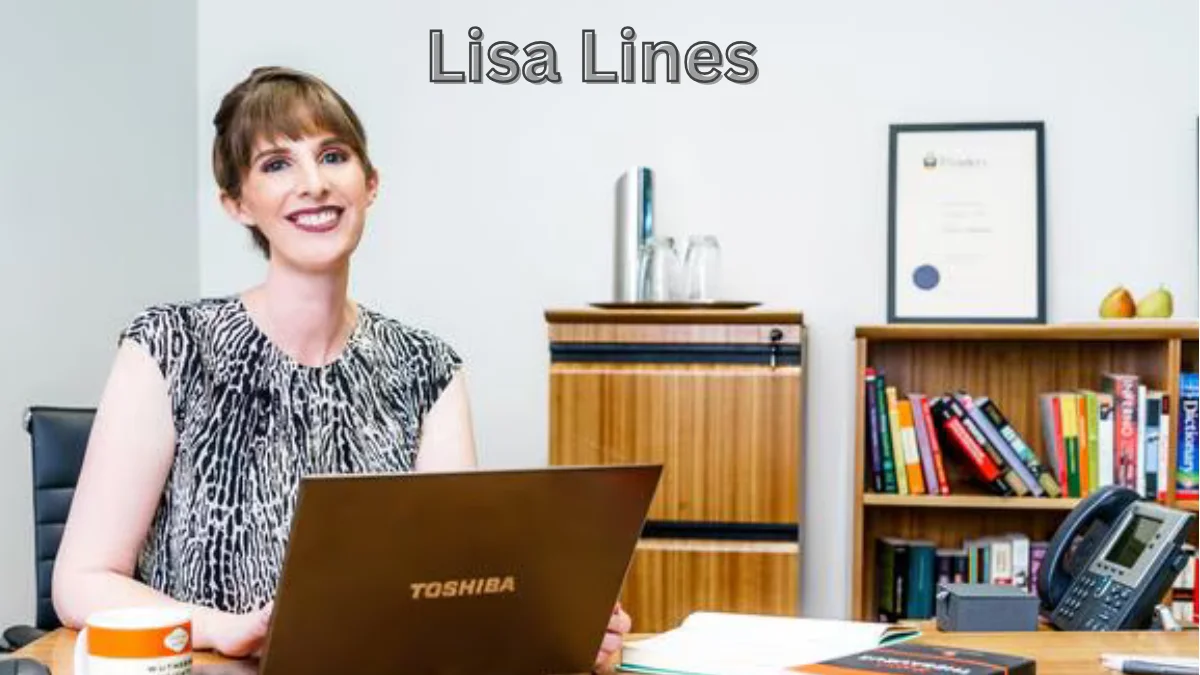
Lisa Lines is a highly respected name in Australian military history, with a very successful career that speaks for itself. She is well known among many Australians for her bold and independent views. Through her rebellious and truth-seeking perspective, she has helped change public perceptions about the complex roles of women. Her deep thinking and sharp analysis have contributed to creating a more informed and strategic environment in Australia.
This article examines Dr Lisa Lines’ career, focusing on her most significant works, most influential publications, and her distinctive perspective on military history. We will discuss her life and why her work is still relevant today.
A background in tactics and history
Lisa Lines started out in her career and studies, really interested in history and what was going on in the world. Her studies prepared her for a job where she would look into complicated military and historical problems. Thanks to her many years of schooling, she was able to do her studies with a lot of detail and analysis.
She has worked with many different groups over the course of her career to support intellectual discussions and study projects. This road has helped her build a reputation as a deep thinker and smart analyst who can openly and honestly talk about difficult and often controversial topics.
Key contributions to military history
Dr Lines made important contributions to the study of modern military history. Her work often looks at wars and battles that have changed our civilisation, giving us new ways to think about things we’ve already done.
Analysing counter-insurgency
Counterinsurgency (COIN) operations are one of the things she works on the most. She has written a lot about the Malayan Emergency, a war that taught the Australian Defence Force and other modern armies a lot. Her research looks at the campaign’s strategy and tactics, as well as how important intelligence and the “hearts and minds” part were.
Her research on this subject is especially significant since it goes beyond mere battle summaries. Lines looks at the social and political sides of insurgency as well as the long-term effects of military operations. This study offers a significant framework for Australian military strategists and historians to comprehend asymmetrical warfare.
The role of women in conflict
Lisa Lines’ art also looks at what women do in war and security. She has looked into and written on what women have gone through in numerous wars, including what they did as soldiers and civilians.
Some of the things she has done in this profession are:
- Historical documentation: This means finding and bringing attention to the history of women’s contributions to military conflicts, which is something that is often missed.
- Policy-relevant analysis: Looking at how women are joining modern military forces and the problems they face.
- A nuanced perspective: transcending simplistic narratives to explore the intricate and varied experiences of women in times of conflict.
As the Australian Defence Force and other Western forces change their policies on gender and inclusion, this focus is becoming more important.
Major publications and their impact
People usually judge academics and historians by what they write. Lisa Lines has written or co-written a number of important books and articles that are now standard works in their fields.
Milestones in the History of the RAR
Lines wrote for “Milestones in the History of the Royal Australian Regiment, 1945-2022,” which tells the story of one of Australia’s most prominent military units. Her chapters provide exact information about certain events and activities, which will help keep the history of the RAR alive for future generations. This essay makes a clear connection between her knowledge and the history of the Australian Army.
The Malayan Emergency: A Study of the Special Branch
One of her most famous books is on what the police Special Branch did during the Malayan Emergency. This book goes into a lot of detail about the intelligence collection and secret operations that helped the counterinsurgency effort succeed. People like it because it does a lot of study and clearly explains how superior intelligence can be essential in conflict.
The lessons in this book are still useful for dealing with intelligence and security problems today. Military and intelligence specialists from all across the world look at the things it teaches that are still relevant today.
A unique and valuable perspective
Lisa Lines’ writing is unique because she can combine in-depth historical research with prose that is easy to read and interesting. She doesn’t just present facts; she also tells stories to explain why things happened in the past. Her analysis is always based on facts from official documents, historical records, and direct accounts.
This method ensures that other academics appreciate her work and that it is clear to a wider variety of people, such as military personnel, policymakers, and interested members of the public. She is good at making complicated military and strategic ideas easy to understand without making them too simple.
The relevance of Lisa Lines’ work today
Learning from history is more important than ever in a world that is becoming more and more uncertain. Lisa Lines’ work on counterinsurgency, military strategy, and the human side of war is quite useful.
Australia is very interested in keeping the Indo-Pacific region stable. Her thoughts on past wars, like the Malayan Emergency, are a great way to think about problems that are happening now and will happen in the future. Her study of women’s roles in security adds to the military’s ongoing attempts to become more diverse and stronger.
Dr Lisa Lines is a well-known name in modern military history. By doing a lot of research, writing incisive essays, and making clear-eyed assessments, she has made a lasting contribution to our understanding of battle and strategy. Her work continues to teach us important lessons from the past that can help us deal with problems now and in the future.

