

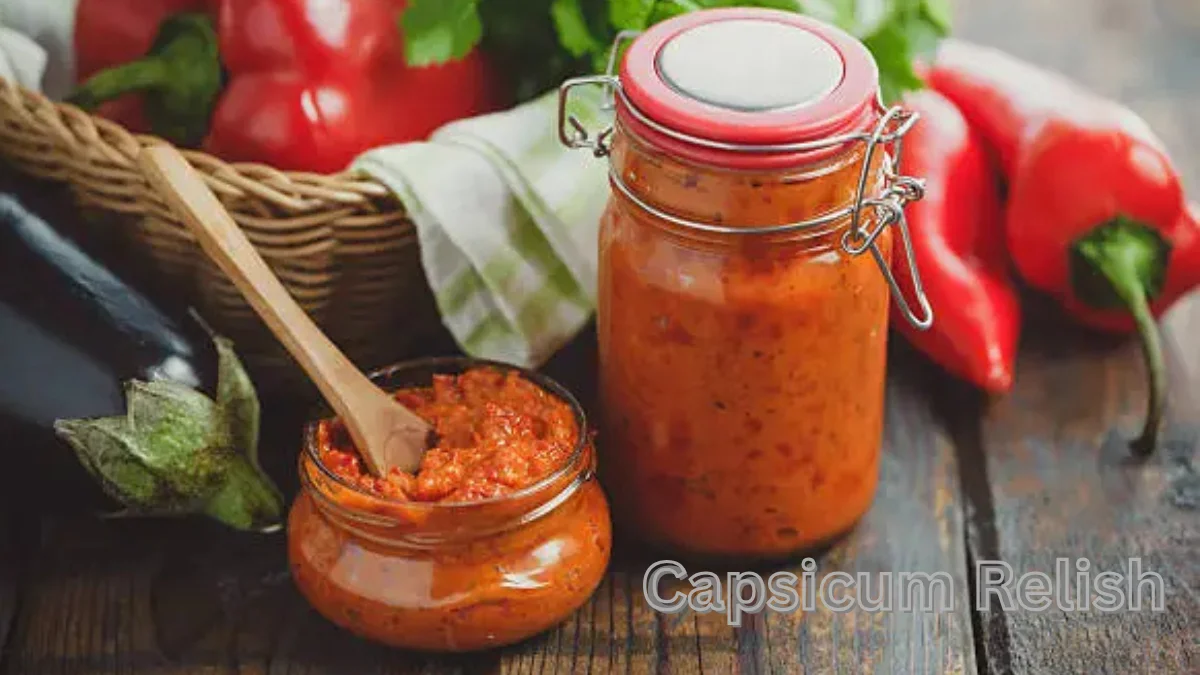
A jar of homemade capsicum relish is a real gem in the pantry. This bright, sweet, and tangy sauce can make anything from a simple snack to a fancy cheese board taste better. It’s surprisingly easy to make, and each spoonful tastes like fresh capsicums. You’ve found the best recipe for capsicum relish. If you’re looking for the best capsicum relish recipe, you’ve found it. Let’s get started on creating this important staple from scratch.
What is it about capsicum relish that makes it so special?
Capsicum relish, also known as sweet pepper relish, is a sauce made by slowly cooking chopped capsicums with vinegar, sugar, and spices. The end result is a chunky, jam-like preserve that has just the right amount of sweetness and a sharp, sour taste. It keeps a nice texture from the diced vegetables, which makes it a great addition to many dishes.
One of the best things about making it at home is that you can choose the ingredients. You can change how sweet it is, how spicy it is, and what kinds of capsicums you use. It’s a great way to use up a lot of seasonal fruits and vegetables and make tasty, handmade gifts for your family and friends.
The flavor is sweet, sour, and adaptable.
The capsicums give capsicum relish its main flavor. Slow cooking makes them softer and brings out their natural sweetness.
- Sugar is an important part of sweetness because it gives it flavor and helps it last longer. It gives the jammy texture and balances the acidity.
- Tang: Vinegar, usually white or apple cider vinegar, gives the dish the acidic kick it needs. This sharpness cuts through rich foods and makes the relish taste even better.
- Spices: Mustard seeds, celery seeds, and a little bit of chili add warmth and depth, making a simple condiment into something truly memorable.
Red, green, and mixed capsicum relish
You can use any color of capsicum to make a tasty relish, and each one will taste a little different.
- Red Capsicum Relish: This is the most common type. The sweetest capsicums are the red ones because they are the ripest. A relish made only from red capsicums will have a lovely, jewel-like color and a sweet, rich taste.
- Relish with Green Capsicum: Green capsicums are not as ripe and taste more like plants, with a hint of bitterness. Some people like the flavor of this relish better because it cuts through fatty meats. It will be tarter and less sweet.
- Mixed Capsicum Relish: A “confetti” relish that looks great can be made by mixing red, yellow, and orange capsicums. The taste is well-balanced, with a little bitterness from the green and a lot of sweetness from the red. This is a great choice if you want something that looks good and tastes good.
A step-by-step guide to making capsicum relish
This simple recipe for capsicum relish is a great place for any home cook to start. It’s easy to use and always gives you great results.
- 1 kg of finely chopped capsicums (red or a mix of colors)
- Two big brown onions, cut up very small
- 2 long red chilies, chopped up very small (optional, for heat)
- White sugar, 500g
- 500ml of apple cider vinegar or white vinegar
- 1 tablespoon of salt
- 1 tablespoon of mustard seeds
- 1 teaspoon of celery seeds
How to:
- Mix the following: Dice the chiles, onions, sugar, vinegar, salt, and spices. Then put them in a large pot or saucepan with a heavy bottom.
- Bring up the temperature: Over medium-high heat, stir the mixture until all the sugar is gone. Bring it all the way up.
- Simmer and reduce: Turn the heat down to low and let the water simmer after it boils. Stir it every so often so it doesn’t stick to the bottom of the pot. The relish is done when it has thickened to the point where it looks like jam and a spoon dragged through it leaves a clear path. This usually takes between 45 minutes and an hour.
- While the relish cooks, wipe the glass jars and lids. You can do this by washing them in hot, soapy water and then putting them in the oven at 120°C for 15 minutes. Carefully pour the hot relish into the hot, clean jars, leaving about 1 cm of space at the top. Put the sterilized lids on right away.
What’s the difference between relish, chutney, and pepper jelly?
People often put these three sauces together, but they are all different.
- Capsicum Relish: Usually has a smooth, chunky texture from diced vegetables. It cooks pretty quickly to keep some of the vegetable’s structure.
- Chutney: It usually has fruit and vegetables in it and is cooked for a lot longer. This makes the consistency softer, smoother, and more like jam, with the different ingredients being less clear.
- This jelly is made from the juice of peppers (capsicums and chilies) and has pectin in it to help it set up into a firm, jelly-like shape. It is usually see-through and doesn’t have any chunks of vegetables in it.
Aussie tips on what to eat with capsicum relish
Once you have a jar of this liquid gold, the real fun starts. Here are some traditional Australian ways to eat your homemade capsicum relish.
- On a snag: It’s a classic for a reason. Put it on a sausage in a piece of bread at your next barbecue. It’s a big step up from regular tomato sauce.
- Night of the burger: A big spoonful adds a sweet and sour crunch that goes perfectly with a beef patty and melted cheese.
- Put it on a cheese board with a sharp cheddar, a creamy brie, or a salty blue cheese. The relish’s sweetness balances out the cheese’s richness.
- With chips and fish: A dollop on the side is a great substitute for tartare sauce because it adds a spicy kick.
- With halloumi on the grill: The relish’s sweet and sour flavors go perfectly with the salty, squeaky grilled halloumi.
- For an instant flavor boost, lift the lid off your favorite meat pie and add a spoonful of it.
More ways to use your relish
Don’t just stop at the classics! Capsicum relish can be used in so many ways.
- For breakfast, you can mix it into scrambled eggs or an omelet, or spread it on toast with avocado.
- For lunch, you can make a cheese and ham toastie more interesting, add it to a tuna salad, or use it as a dressing for a simple grain salad.
- For dinner, you can use it as a glaze on chicken or pork, mix it into pasta, or serve it with grilled steak or lamb chops.
- For fun, you can serve it as a dip with crackers or as a topping for bruschetta with goat cheese.
Keeping your relish and important safety notes safe
To make sure your relish lasts, you need to store it correctly.
- How long it lasts: Unopened capsicum relish can last for up to a year in a cool, dark pantry if it is properly sterilized and sealed in airtight jars.
- After opening, the jar needs to be kept in the fridge and eaten within 2–3 months.
- Safety when canning: Always use new lids and clean, sterilized jars to make sure the seal is tight. The vinegar and sugar in this recipe make it safe for beginner canners because they are very acidic. Do not use jars that have chips or cracks. You should hear a “pop” sound when you open a jar. This means the seal was still good.
Notes on nutrition and diet
- Friendly to vegetarians and vegans: This recipe doesn’t call for any animal products.
- Gluten-Free: All of the ingredients are naturally gluten-free, but you should always check your vinegar and spices to make sure they aren’t cross-contaminated.
- Low-Heat vs. Hot: You have full control over the heat. If you want a mild sweet pepper relish, leave out the chilies. Add more chilies or even a pinch of dried chili flakes for a spicier kick.
How to succeed
- How to pick capsicums: When you go to the grocery store or farmers’ market, look for capsicums that are heavy for their size, shiny, and firm. Stay away from those with soft spots or wrinkled skin.
- Availability by season: Capsicums are available all year in Australia, but they are most plentiful and cheap in the summer and fall. This is the best time to make a lot of them.
- How to make the recipe bigger for gifts: You can easily double or triple this recipe. To get the mixture to reduce and thicken properly, just use a bigger pot and cook it for longer. Homemade relish in small jars makes great, personal gifts for Christmas, birthdays, or just to say thank you.

