

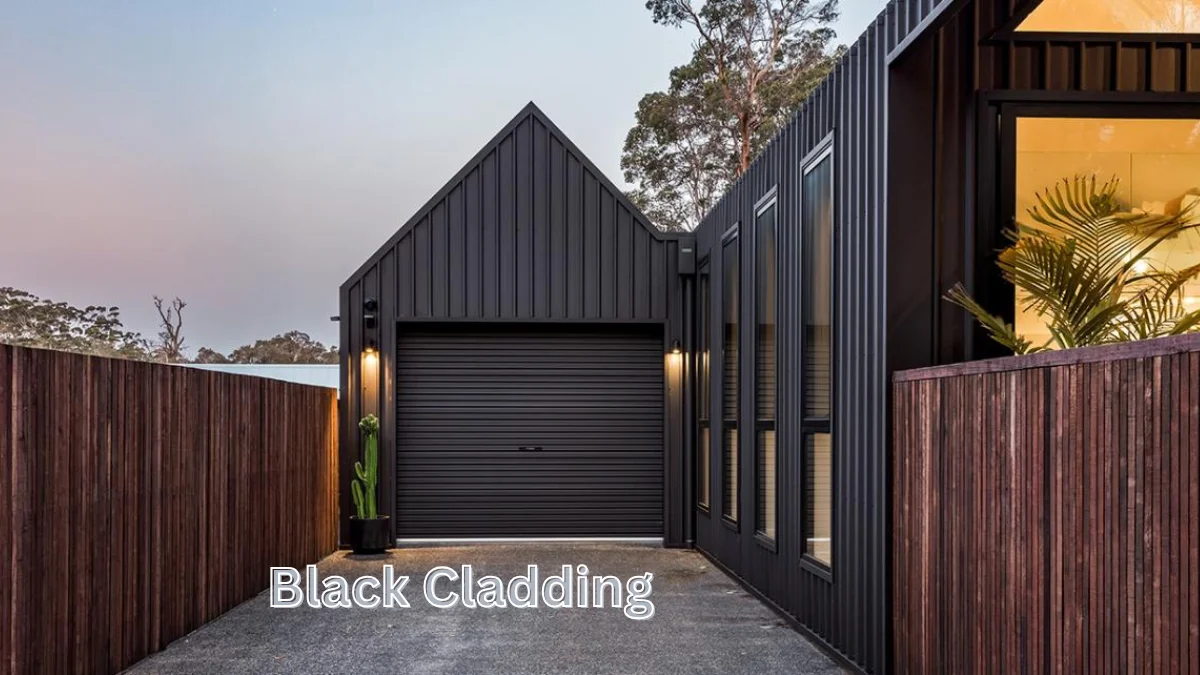
It’s not just a trend; black cladding is now an important part of modern Australian building. The bold look of a dark facade makes a strong statement, whether it’s on a sleek home in Melbourne or a striking coastal retreat in Queensland. But is it the best option for your project?
This book tells you everything you need to know about Black Cladding in Australia. We’ll talk about the good and bad points, building codes and burning rules. We’ll also give you helpful advice on how to plan, build and maintain your project. What you need to know to make a good choice, whether you’re a homeowner, a builder, or an engineer.
Why is black siding so popular right now?
Black panelling is popular because it can look strong or soft. It stands out against the Australian landscape, whether it’s a bright blue sky or lush green trees. A dark exterior can give a building a modern, sharp, and classy look. It also goes well with natural wood, stone, and concrete, so you can use it in a lot of different ways.
Styles of black panelling that people like
Several types of materials and shapes can be used to make “black cladding” look good. Each one has its own look and set of performance features.
Panels with vertical shiplap and V-joints
Lines that go up and down make a home feel taller and more alive. You can get this look with wood or composite boards, and it’s a popular choice for making a modern barn or coastal look.
Metal with standing seams
Standing seam metal cladding is a clean, modern finish that is inspired by buildings used in farming and industry. It is usually made of steel (like Colorbond) or aluminium. Its raised seams make strong vertical or horizontal lines and make it very durable.
Panels and sheets made of fibre cement
Fibre cement is a flexible and affordable choice. You can paint it any shade of black, and it comes in different textures, from smooth panels to boards that look like wood grain. It is known for being easy to care for and not rotting, burning, or being eaten by termites.
Charred timber (shou sugi ban)
Shou sugi ban, or charred wood, is an old Japanese method of preserving wood by charring its surface. The end result is a beautiful, textured black finish that naturally keeps bugs and rot away. It’s a beautiful choice, but it’s also more expensive and specific.
Composite cladding
Composite cladding is made from a mix of materials, such as recycled wood fibres and plastics. It looks like wood but doesn’t need as much care. It is available in different shades of black and charcoal and is made to not fade, stain, or warp.
The pros and cons of the Australian weather
In Australia, you need to think carefully about what colour to paint the outside of your house. Our weather is hard to deal with because of the hot sun and salty air that breaks things down.
Advantages of black cladding
- Aesthetic impact: It makes buildings look bold and modern, which makes their lines stand out.
- Flexibility in design: Black is a neutral colour that looks good with many other materials and landscape designs.
- How durable it seems: People think of strength when they see dark materials like pre-finished steel and fibre cement that are used for building.
Disadvantages and key considerations
- Absorption of heat: Colours that are dark absorb more sunlight than colours that are light. This could make it hotter, which could mean that it costs more to cool down in the summer. It’s very important to have the right protection and air flow.
- UV damage: Australia’s strong sun can fade or chalk up some things over time. It’s important to pick a finish that is high-quality and won’t fade in the sun.
- Coastal corrosion: If you’re building near the coast, salt spray can be a big problem. These kinds of environments are meant for materials like marine-grade aluminium or certain Colorbond steel finishes (Ultra or Stainless).
- Visible imperfections: Dust, dirt, and water spots are easier to see on a dark, flat surface than on a lighter, textured finish.
How to understand building codes and bushfire ratings
There is no room for negotiation when it comes to compliance. This guide gives you a general idea, but you should always check the National Construction Code (NCC), local council rules, and a qualified building professional.
Bushfire Attack Level (BAL) scores
The Bushfire Attack Level (BAL) rating of your property will have a big effect on the type of cladding you choose if it is in an area that is prone to bushfires. Materials must meet the requirements of Australian Standard AS 3959.
- Low BAL ratings (BAL-LOW to BAL-19): You have more options. There are many good options for timber, fibre cement, and metal cladding.
- High BAL ratings (BAL-29 to BAL-FZ): You have a lot fewer options. You usually need non-combustible materials like fibre cement, brick, or certain types of steel cladding systems. You might not be able to use combustible materials like wood, or you might have to take a lot of extra steps to protect them from fire.
Always check the BAL rating of a product to make sure it meets the needs of your site.
Getting planning permission in Australia
Local councils have their own rules about planning that can affect the colours and materials you can use on the outside of your home, especially in heritage overlays or certain neighbourhood character precincts. Some councils may not allow materials that are very dark or very reflective. It’s a good idea to look over these requirements early on in the design process.
Tips for design and performance
It’s not enough to just choose a material for a black-clad home. It’s about making a whole system that looks good and works well.
Combining with other things
- Wood that comes from nature: Black is very harsh, but wood (used for decks, soffits, or feature screens) adds warmth that looks great.
- Stone and concrete: Using rough, natural materials like local stone or off-form concrete at the base of a house can help it look more grounded.
- Landscaping that is full of life: The bright green leaves of native grasses and feature trees stand out against a black background, making a beautiful picture.
Insulation and how well it keeps heat in
High-performance insulation is necessary to stop heat gain. A continuous thermal break, which is an insulating layer between the cladding and the building frame, works very well. Adding a reflective sarking layer to bulk insulation, like batts, can make your home much more energy efficient.
Controlling moisture and air flow
It’s very important that the space behind the cladding is well-ventilated. This space between the air and the building frame lets moisture drain away and helps keep heat from building up inside, which lowers the risk of mould, rot, and thermal bridging.
How much does black cladding cost?
The price of black cladding can be very different depending on the type of material, the brand, the profile, and how hard it is to install. These are just rough price ranges to help you plan your budget, not a formal quote. The prices are for the material only, per square meter (m²).
- Painted fibre cement: $45 – $90 per m²
- Colorbond steel (standard): $50 to $110 per square metre
- Wood (pine, hardwood): $80 to $200 or more per square metre (plus finishing costs)
- Composite cladding: $120 – $250 per m²
- Charred timber (shou sugi ban): $180 – $350+ per m²
Depending on the system and how easy it is to get to the site, installation costs can add $80 to $200 or more per m².
Long life and low maintenance
The material you choose and where you live will determine when you need to do maintenance.
- Metal and fibre cement: To get rid of dirt and salt deposits, they usually only need to be washed down once or twice a year with a soft brush and clean water.
- Composite cladding: Composite cladding is like metal in that it only needs to be cleaned now and then. Look at the manufacturer’s exact instructions.
- Timber cladding: Timber cladding needs the most care. To keep it looking good and protect it from the weather, it will need to be re-oiled or re-painted every few years.
In conclusion
Black cladding is a strong way to make your home look modern and stand out. Its bold look is clear, but the details are what make it work. If you pick the right material for your climate and BAL rating, put in the right insulation and ventilation, and promise to do the necessary upkeep, you can make sure your dark facade is both attractive and strong. It’s a choice that needs a lot of thought, but it leads to an amazing architectural result.
Frequently Asked Questions
1. Will a black house be too hot in the summer in Australia?
It can be if it isn’t built right. A black outside absorbs more heat, but good insulation, a wall cavity that lets air flow, and energy-efficient windows can help keep the heat in. With these steps, the heat that has been received stays outside and doesn’t come into your home.
2. Is black siding more expensive than other colours?
Price changes for paint or Colorbond (pre-finished steel) don’t happen very often based on colour. However, some high-end black finishes, such as charred wood or high-end plastics, may cost more than most.
3. Does black siding turn grey over time?
It’s important that the material and finish are good. Under a lot of UV light, low-quality paints or plastics can fade or look chalky. Always choose products from well-known brands that offer long warranties against fading in Australian conditions.
4. What is the best material for black cladding near the coast?
Do you live close to the coast? When it becomes wet from salt spray, you need something that won’t rust. The best options include marine-grade powder-coated aluminium, coastal-rated steels like Colorbond Ultra, and painted and sealed high-density fibre cement walls.
5. Do I need permission from the council to paint my house black?
Maybe. Some cities and towns have planning overlays that say you can’t use certain colours or materials because of the history or style of the place. However, homeowners usually get to choose the colours. Before you make your plans final, it’s always a good idea to check with your local council.

