

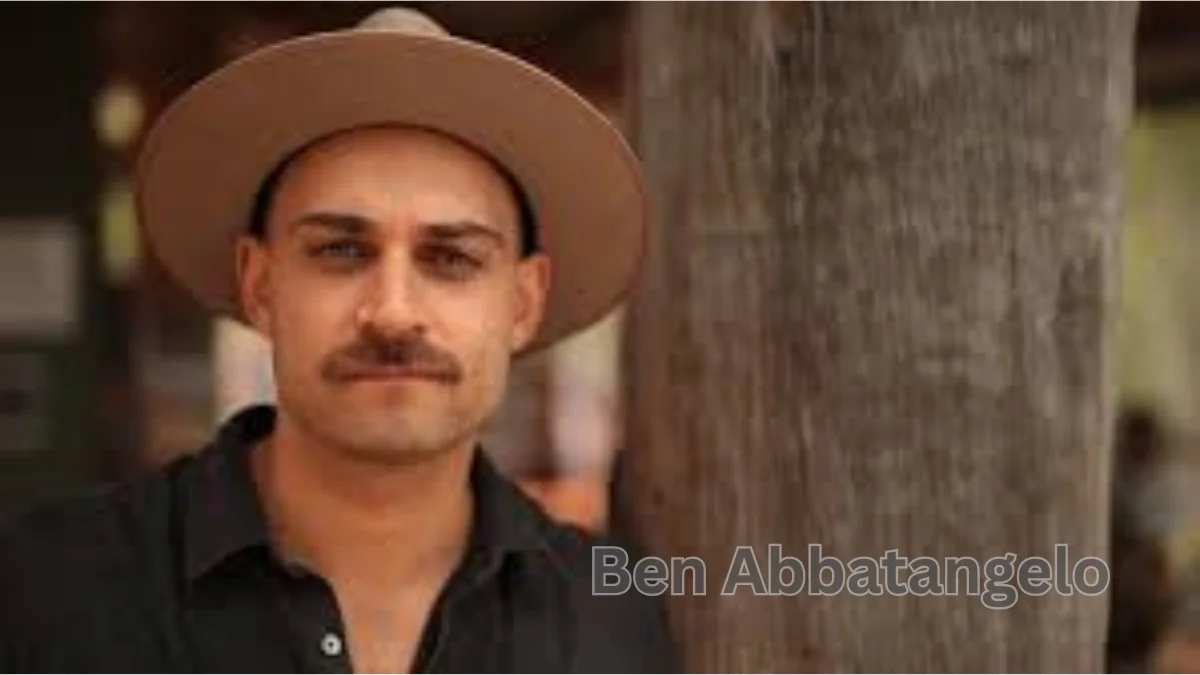
People in Australia are starting to know the name Ben Abbatangelo more and more. He used to play professional cricket and now works as a journalist, writer, and director. He is proud of being Koori and comes from the Yorta Yorta, Dja Dja Wurrung, and Woiwurrung families. He is a strong voice for First Nations people because he went from being famous in sports to being famous for talking about social issues. Abbatangelo’s work always calls into question old stories and wants people to learn more about the future of the country, Indigenous rights, and sharing the truth.
This piece talks about the life and work of Ben Abbatangelo. He used to be in sports, but he moved into advocacy and the media. We will also talk about the main ideas that make his commentary so strong. You will also find out about his most important projects and how you can join the important talks he backs up in a bigger way.
From the cricket pitch to public discourse
Ben Abbatangelo’s first job was in professional sports. He was a good cricketer and played for Northcote in Premier Cricket. He was also in the Melbourne Stars’ development rookie system. He understood that sports were a way for him to move up, but he also saw the flaws and restrictions in these groups. This experience sparked change in him, leading him away from a purely athletic path and toward a mission to make a difference in society.
He saw that his stage could be used for more than just celebrating wins in sports. When he quit sports to become an activist, it was the start of a very important job as a storyteller and social commentator. He spoke out for First Nations people to get justice and changes to the way things were done because he saw how wrong things were.
Key themes in Ben Abbatangelo’s commentary
Abbatangelo’s writing and public speaking are linked by a lot of different topics. He breaks down tough issues and shows them to many Australians in a way that is easy to understand but hard to handle.
The importance of truth-telling
A big part of his work is the idea of telling the truth. Abbatangelo says that Australia can’t move forward until it honestly talks about its colonial past and the ongoing wrongs done to Indigenous people. He is against watered-down versions of history and wants a story that includes the frontier wars, killings, and people being forced to leave their homes that aren’t usually taught in schools. He doesn’t think that telling the truth means blaming someone; he thinks it means finding a middle ground where people can get along again.
The Voice to Parliament and beyond
Abbatangelo wrote a lot of nuanced and critical things about the Voice to Parliament in the months leading up to the 2023 referendum. He said that many supporters had good intentions, but he questioned whether the proposal would really bring about meaningful change and self-determination for First Nations peoples. He often said that we needed to go beyond symbolic actions and focus on treaties, sovereignty, and breaking down colonial structures. Furthermore, he also discussed Australia’s own perspective on sports, which encouraged people to think more deeply about what true empowerment of the local community really means.
Media responsibility and storytelling
Abbatangelo is a journalist who doesn’t like how the mainstream media talks about First Nations people and problems. It is important for him that reporters pay attention to Indigenous opinions and points of view and are more responsible and moral. He thinks that telling stories can help people understand each other and fight against prejudice. Through his own writing, he shows how to tell stories that are true, kind, and hopeful. He changes the story from one about not having enough to one about being strong and determined.
Climate justice and Indigenous wisdom
Abbatangelo illustrates the connection between colonization and environmental degradation. He ardently advocates for climate justice, asserting that First Nations peoples are disproportionately impacted by the global issue compared to other demographics. He thinks that cultural Indigenous knowledge, like how to manage land sustainably for 65,000 years, should be part of current environmental strategies. He thinks that taking care of the country is a duty that helps all Australians and is necessary for a bright future.
Important projects and services to the media
A lot of community and media projects have been changed by Ben Abbatangelo. His work shows that he can change things and really wants to make a difference..
- Writing for The Saturday Paper: Abbatangelo writes a regular column for a newspaper. He is very honest and gives clear analysis of important social and political problems. The topics she wrote about reflected her highly unique perspective such as racism in sports, human rights issues, and matters related to law and social justice.
- The Squeeze: This podcast and video series, talks with activists, thinkers, and community leaders about tough issues. The Squeeze aims to extract the essence of mainstream news to elucidate significant issues.
- Speaking engagements: He is a renowned speaker who presents at festivals, universities, and business events throughout Australia. His presentations are described as thought-provoking, informative, and motivational.
- “After The Apology” (2017): Abbatangelo served as an influential producer on the pivotal documentary “After The Apology” (2017), which illustrated the detrimental effects of the alarming increase in Indigenous child removals on families and communities.
These projects demonstrate his ability to bridge disparate realms, engaging with community members and national media to amplify the views and concerns of First Nations individuals.
His influence on Australian discourse
Ben Abbatangelo is part of a new generation of First Nations advocates who are changing the way people talk about these issues in Canada. He is clear, unapologetic, and very dedicated to justice. His work pushes non-Indigenous Australians to stop being passive allies and start working to make the country more fair.
He makes Australia face its identity by not being afraid to speak the truth, even when it’s uncomfortable. His commentary pushes people to think about their own biases, question the way things are, and think about how they can help or hurt systemic inequality. He has become an important voice for youth leadership, encouraging both Indigenous and non-Indigenous young people to get involved and fight for a better future.
How you can engage and take action
Getting involved with the work of people like Ben Abbatangelo is an important step toward understanding better. Here are some useful ways you can help:
- Read and listen: Read his columns in The Saturday Paper and watch or listen to his show, The Squeeze. Talk to him directly about his point of view in his own words.
- Amplify First Nations voices: Read his columns in The Saturday Paper and watch or listen to his show, The Squeeze. Talk to him directly about his point of view in his own words.
- Support Indigenous-led organisations: Share articles, interviews, and social media posts by Indigenous journalists, activists, and creators. Put their points of view first in your own learning. Find groups that work on land rights, justice, health, and education.
- Educate yourself: Read books about the history of Indigenous people, learn everything you can about the Uluru Statement from the Heart, and find out whose land you live and work on.
Frequently asked questions
Who is Ben Abbatangelo?
Ben Abbatangelo is a proud Koori man from Australia who is a journalist, writer, and advocate for First Nations people. He used to be a professional cricketer, but now he talks about social justice, Indigenous rights, and the media’s responsibility.
What is Ben Abbatangelo known for?
People know him for his smart and sharp writing in The Saturday Paper, his video series The Squeeze, and his powerful public speaking. He is a prominent proponent of honesty and institutional reform in Australia.
What are the main themes of his work?
His work is about telling the truth about Australia’s colonial past, Indigenous rights and sovereignty, media ethics, climate justice, and the need for real change instead of just symbolic actions.
Why did he transition from sports to activism?
Abbatangelo saw the problems and limits that exist in professional sports and chose to use his fame for a bigger cause. He made the switch because he wanted to fight inequality and give First Nations communities more power.
Conclusion
Ben Abbatangelo’s work isn’t always easy, but it’s important. He tells all Australians to dig deeper, think critically, and be brave. As a well-known First Nations advocate and social commentator, his voice is very important in the fight for a more fair and honest Australia. We can all help make the country a better place by learning more about his work.

