

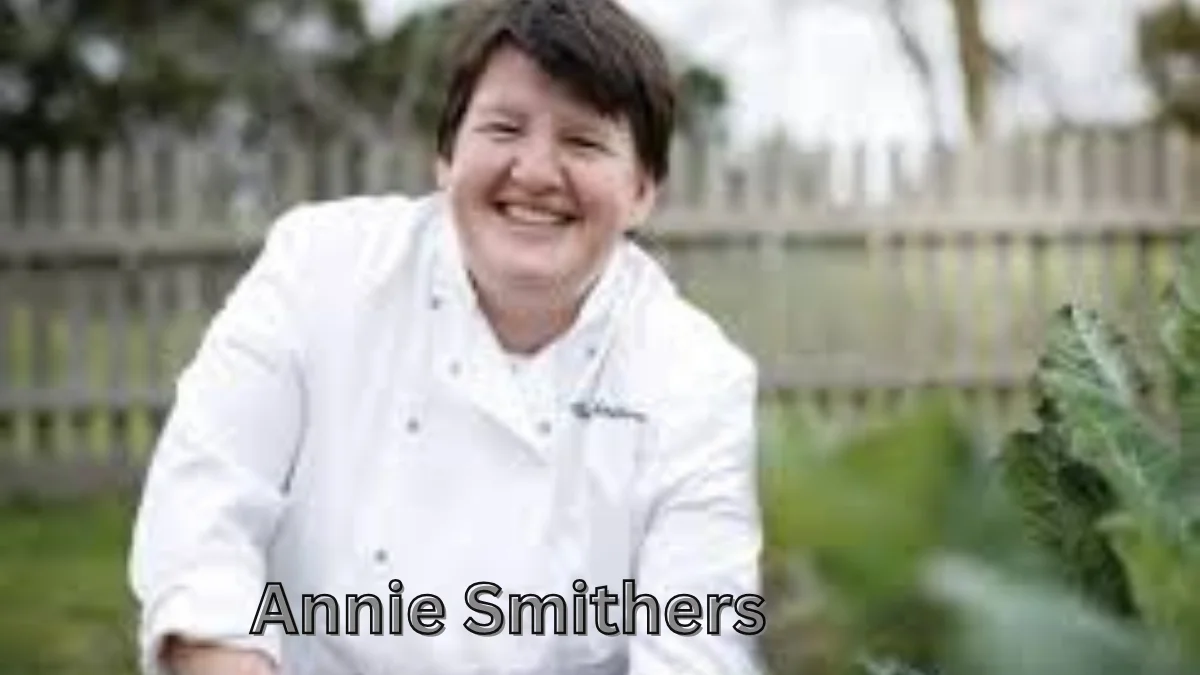
Annie Smithers is a well-known Australian cook who runs the restaurant du Fermier in Trentham, Victoria, with an authentic farm-to-table attitude. The seasons and what she raises in her large kitchen garden influence her cooking. Du Fermier is a great place to eat because it uses traditional French farmhouse techniques and the best Victorian produce. It’s very important to book ahead of time.
Annie Smithers has built more than just a garden; she has built a way of life that speaks to anyone who values honesty, flavor, and a real connection to food. Her name is known throughout Australia as a true farm-to-table chef. She not only follows the seasons in her famed restaurant du Fermier in the lovely village of Trentham, Victoria, but she also lives by them. Diners can expect a comfortable and rich experience, with a sense of rustic French food firmly entrenched in Australia. This article explores Annie Smithers’ life, including her cooking philosophy, eco-friendly habits, and memorable lunch at du Fermier.
Who is Annie Smither?
Annie Smithers is an Australian chef who has been a leader in her field because she has always been dedicated to cooking with seasonal, fresh ingredients. Smithers learned the basics of classical French cooking from Australian culinary royalty like Stephanie Alexander before going off on her own. In 2005, she opened her first restaurant, Annie Smithers’ Bistrot, in Kyneton. The food was so good that it quickly became known for being real and heartfelt.
But it was moving to Trentham and opening du Fermier (which means “of the farmer”) that really let her philosophy grow. She could fully combine her two favorite things: cooking and gardening. Her method is refreshingly straightforward but very strict. What she grows in her one-hectare garden determines what is on the menu. This takes a lot of skill, creativity, and respect for nature’s rhythms.
The heart of du Fermier in Trentham is farm-to-table.
Trentham is the perfect place for du Fermier because it is in the middle of Victoria’s Macedon Ranges. The restaurant is small and cozy, like a French farmhouse. But Annie’s huge kitchen garden, which is only a short drive away, is where the real work gets done. This is where all menus start.
The farm-to-table model at du Fermier isn’t just a trend; it’s the main idea behind the whole business. Unlike restaurants that use local produce as an extra, du Fermier’s kitchen mostly uses what Annie and her team can grow and pick. This promise affects everything:
- Making the menu: The dishes depend on what is picked each day. If you have a lot of zucchini, you could make a beautiful gratin. If you have a lot of late-summer tomatoes, you could make a rich, flavorful sauce.
- Kitchen rule: Don’t waste anything. All parts of a vegetable are used, and scraps are composted and put back in the ground.
- Real seasonality: The menu shows the real, natural seasons of Victoria’s regions. In May, you can’t find asparagus, and in July, you can’t find strawberries.
This method makes a direct and real connection between the diner, the chef, and the land. You can taste the whole cycle on the plate.
What to look forward to on the seasonal menu
Going to du Fermier is a test of trust. There is no à la carte menu to worry about. Instead, guests get a single, well-thought-out set menu that changes every week, and sometimes even every day. This lets Annie show off the produce at its best.
Even though the dishes change all the time, they are always based on the classic French farmhouse style. Think of meats that have been slow-cooked, hearty vegetable tarts, light soups, and simple, beautiful desserts. A winter menu might include a hearty braise of lamb with root vegetables dug from the frozen ground. A spring lunch might include tender asparagus with a perfectly soft-boiled egg and vinaigrette.
Many of her best dishes over the years have used simple ingredients in new and exciting ways, like a simple onion tart, a rich cassoulet, or a dessert with berries picked from the garden. The food is plentiful, tasty, and made with love.
More than just a garden: a promise to be eco-friendly
Annie Smithers is a strong supporter of farming that is both sustainable and regenerative. She does a lot more than just stay away from chemicals. She puts a lot of effort into making soil that is healthy and alive, which she believes is the key to all good food and a healthy planet.
Some of the things she does to help the environment are:
- Composting: All of the kitchen and garden waste is composted on-site, which makes the soil richer and creates a closed-loop system.
- No-dig gardening: This method keeps the soil structure and the fragile ecosystem of microbes in it safe, which makes plants healthier.
- Crop rotation and companion planting: Crop rotation and companion planting are two old-fashioned ways to control pests and add nutrients to the soil.
- Water conservation: Mulching and careful planning help keep moisture in the soil, which is very important for dealing with Australia’s often-dry climate.
When you eat at du Fermier, you’re not just having a meal; you’re supporting a more responsible way to grow and eat food.
A teacher in the Australian food world
Annie Smithers has been a chef for decades and is now an inspiration and mentor to many young chefs in Australia. She promotes a calmer, more thoughtful way of cooking that values substance over style and honesty over short-lived trends.
She has made a big difference in the Australian food scene through her work, writing, and public appearances. She shows that you can have a successful and fulfilling career outside of a big city with a lot of stress, and that a small restaurant run with passion can have a big impact. Her love for her work and her country inspires a new generation to think differently about what it means to be an Australian chef.
In her own words: media and books
Annie is very generous with her knowledge and passion. She has written books that give readers a better look at her life by mixing recipes with stories from her kitchen and garden. Her memoir, A Cook’s Life, tells the story of her life in an honest way. Her cookbook, Annie’s Farmhouse Kitchen, turns her food philosophy into easy-to-follow recipes for home cooks. She has also been on a lot of different media, like podcasts, where she talks clearly about food, farming, and the future of dining.
How to get to du Fermier
For many foodies, going to du Fermier is like going on a pilgrimage. Here’s what you need to know before you go.
- Location: The restaurant is at 42 High Street, Trentham, Victoria, which is about 90 minutes by car from Melbourne.
- Reservations: Du Fermier is a small restaurant, so you need to make a reservation. Reservations are available for a three-month period starting on a certain date, and they are usually gone within hours. It’s very important to check the du Fermier website for release dates and book right away.
- The restaurant usually serves lunch from Thursday to Sunday. You will get a set menu with three or four courses. The mood is laid-back and casual, and the focus is on enjoying good food and good company. Give yourself a long, relaxing lunch.
- Dietary needs: Because of the set menu, the kitchen can’t always meet special dietary needs. When you book, it’s important to talk about any needs you have.
Questions that people often ask about Annie Smithers and du Fermier
What kinds of meals does Annie Smithers make?
She makes traditional French farmhouse food. The food is simple, hearty, and completely based on what she has in her garden.
Is it true that du Fermier is a vegetarian restaurant?
No, but the vegetables are the main attraction. Seasonal fruits and vegetables are always the main focus of the menu, even though it often has meat. When you make a reservation, ask if there is a vegetarian menu.
Is it hard to book a table at du Fermier?
Yes, it can be. People really want to make reservations. You need to be ready to book online as soon as the next season’s reservations are available.
Is it worth going to Trentham?
Of course. Trentham is a beautiful historic town in the Macedon Ranges. It is known for its artisan shops, galleries, and the natural beauty around it, such as Trentham Falls.
A history of real taste
The way Annie Smith cooks is both old and new at the same time. These days, things are both hard and easy. Her dedication to seasonality, simplicity, and sustainability is a strong reminder of where real taste comes from. You don’t just eat lunch at du Fermier; you also learn about a philosophy, connect with the seasons, and taste the Victorian scenery through the eyes of a master chef.
Anyone in Australia who like food should definitely visit du Fermier. It’s a chance to slow down, enjoy the moment, and appreciate the simple but deep joy of eating food that was grown and cooked with care and honesty.
Are you ready to organize your gastronomic pilgrimage? Go to the du Fermier website to find out when the next booking will be available, and then start planning your trip to Trentham.

