

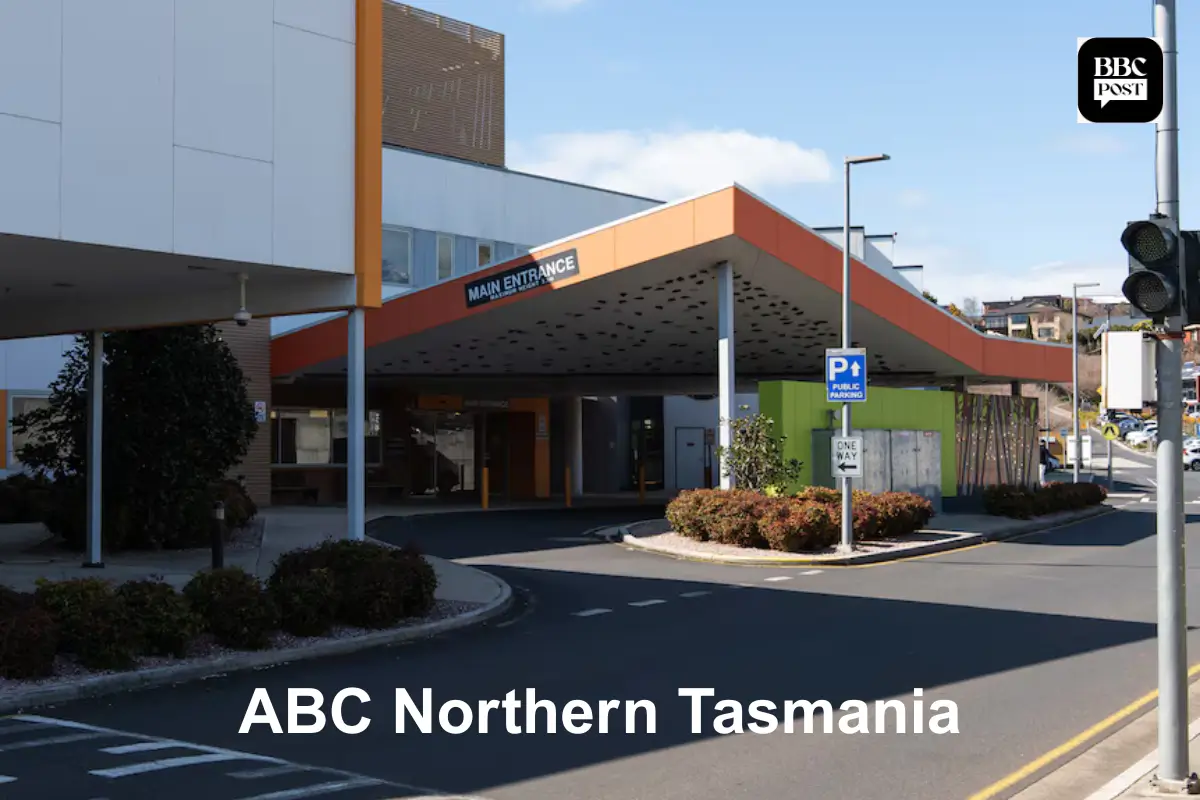
One of Australia’s oldest and most reputable regional broadcasting companies is ABC Northern Tasmania. The station, which is part of the Australian Broadcasting Corporation, serves towns in northern Tasmania, the north-west coast, and the adjacent island areas with local radio, digital news, and emergency broadcasting. Despite being a part of the national ABC network, the needs, rhythms, and realities of rural Tasmania influence its day-to-day operations.
ABC Northern Tasmania, a newsroom and public service broadcaster, is headquartered in Launceston and has a secondary operating presence in Burnie. Its function goes beyond making headlines. From everyday community conversations to serious situations, it offers context, continuity, and a dependable communication route at critical times.
History and Origins
On August 3, 1935, ABC Northern Tasmania, the ABC’s first regional station in Tasmania, went on the air with the call sign 7NT. The station soon emerged as the main conduit linking scattered settlements at a time when communication and transportation across the state were scarce. Households who may otherwise stay isolated were contacted by news, weather, public announcements, and national events.
The station moved from early AM services to FM broadcasts and then digital platforms as broadcasting technology advanced. Its goal of providing northern Tasmanians with accurate, impartial, and locally relevant news has not changed in spite of these developments. ABC Northern Tasmania maintained a physical newsroom presence, ensuring that stories were obtained by journalists who were rooted in the areas they serve, in contrast to many rural broadcasters that gradually scaled down operations.
Area of Coverage and Broadcast Facilities
ABC A vast and diverse geographic region is served by Northern Tasmania. Launceston and the Tamar Valley, the north-west coast, which includes Burnie and Devonport, portions of the east coast, rural areas inland, and island villages like King Island and Flinders Island are all included in its coverage. A network of FM and AM transmitters and repeaters built to withstand Tasmania’s difficult topography supports this reach.
The primary FM transmission comes from Mount Barrow at 91.7 FM, with other frequencies catering to nearby communities. The programme is available to listeners in Burnie on 102.5 FM, Devonport on 100.5 FM, St Helens on 1584 AM, Queenstown and Zeehan on 90.5 FM, and King Island on 88.6 FM, among other places. For coastal, interior, and island communities—many of which depend significantly on radio for information—this infrastructure guarantees reliable access.
This extensive coverage necessitates editorial balance. In order to ensure regional fairness in reporting, the station prioritises topics that impact distant areas and smaller towns even while a large incident in Launceston may dominate headlines.
Structure of the Newsroom and Editorial Guidelines
The ABC News division oversees the ABC Northern Tasmania newsroom, which follows the ABC Editorial Policies. These guidelines ensure that reporting is free from political or commercial interference by regulating accuracy, impartiality, independence, and accountability. Courts, health, education, agriculture, the environment, infrastructure, and local government are just a few of the topics covered by the station’s journalists.
Reporters are required to cover a variety of beats since the newsroom has a relatively small staff and covers a large geographic region. One reporter could go from covering a court case to covering an environmental issue or a problem facing the rural industry. In regional journalism, where responsiveness and depth must coexist, this adaptability is crucial.
Official sources, in-person interviews, and reporting from the scene are used to verify every story. Before being aired or published, community suggestions are verified as leads rather than facts. This strategy is especially crucial in rural regions because unconfirmed information may spread swiftly.
Time Management and the Structure of the Daily Broadcast
A key component of ABC Northern Tasmania’s operations is time management. The station’s daily programming combines ABC material from throughout the state and the country with locally created shows. To guarantee that viewers get news updates, interviews, and emergency alerts at the appropriate times, each section is meticulously scheduled.
One of the station’s most crucial blocks is breakfast programming, which airs in the early morning. It includes traffic data, weather predictions, local headlines, overnight news developments, and interviews with local decision-makers. During this time, news bulletins are produced under tight deadlines, with accuracy taking precedence over speed.
Programming in the middle of the morning moves towards longer
discussions and feature interviews, often delving deeper into local concerns. Tasmania Mornings usually include interviews with listeners, subject matter experts, and leaders in the community. The Country Hour, which focuses on agriculture, fishing, and rural sectors that are important to the economy of northern Tasmania, comes next.
Local Drive portions that recap the day’s top news, provide updates on emerging problems, and facilitate more audience engagement are a feature of afternoon programming. The schedule switches to statewide and national ABC programming as the evening wears on, including nighttime chat shows and national news bulletins. Scheduled programming may be interrupted at any moment if emergency information or breaking news has to be aired.
Programmes and Content Broadcast
ABC The calendar in Northern Tasmania consists of a variety of national, state, and local events. The core of the daytime schedule consists of locally relevant programming including Tasmania Mornings, Northern Tasmania Breakfast, and regional Drive programming. Given the region’s strong agricultural foundation, The Country Hour continues to be a crucial programme for rural listeners.
Long-form interviews and a wider context are provided by national ABC programmes including Nightlife, PM, and Conversations. The station is able to link listeners to national conversations while keeping a local emphasis thanks to this blend.
Journalists, presenters, and production personnel
ABC Northern Tasmania’s character is largely shaped by the voices it hears. Presenters serve as community discourse facilitators and host certain time blocks, such as breakfast, mornings, or drives. They strike a mix between professionalism and approachability when introducing news, conducting interviews, and moderating talkback parts.
Regular on-air appearances by journalists to explain their work enable viewers to establish a connection between stories and the investigators. Presenters and reporters may be identified by their article bylines and on-air introductions, even though ABC does not maintain a comprehensive public personnel directory.
Producers oversee programme flow, arrange interviews, and make sure editing standards are followed behind the scenes. While technical personnel ensure broadcast dependability across the station’s vast transmission network, editors supervise the selection and calibre of stories.
Audience Access and Community Involvement

Participation from the audience is aggressively encouraged by ABC Northern Tasmania. Listeners may approach the station directly via its Launceston office phone number, SMS 0467 922 917, or use talkback at 1300 361 688. Listeners may voice issues, share experiences, and participate in conversations via these means.
Additionally, the station is active on social media, especially Facebook, where it shares community tales, interviews, and news updates. These technologies enable continuous dialogue with viewers and increase engagement beyond live broadcasts.
Pay Attention to Digital Publishing
ABC Northern Tasmania provides a wide range of on-demand programming in addition to live radio. Audiences may always rewatch local news bulletins, interviews, and feature parts with the Listen Back service. This feature prolongs the life of local journalism and helps listeners who miss live broadcasts.
Written pieces that often supplement on-air reporting with context, quotations, and images may be found on the station’s website. The ABC Listen app ensures accessibility across devices and places by further integrating on-demand audio and live streaming.
Role of Emergency Broadcasting
An official emergency broadcaster is ABC Northern Tasmania. It is possible to override planned programming to provide urgent alerts and instructions during storms, floods, bushfires, and other emergencies. To guarantee quick and accurate information, the station collaborates closely with emergency services.
Journalists and presenters are taught to remain composed and speak coherently in emergency situations. Because of the station’s established reputation in the neighbourhood, people often rely on its broadcasts in the event that other lines of communication are unavailable.
Participation in Regional Democracy
An important part in rural public life is played by ABC Northern Tasmania. Residents can better grasp how policies impact their areas thanks to its coverage of public services, local governments, and state government actions. Accountability and openness are provided via interviews with professionals and elected leaders.
Since the channel doesn’t employ commercial advertising, the public interest—rather than financial gain—determines editorial choices. Because of its independence, the station is able to concentrate on topics that are important to local viewers, regardless of how profitable they may be.
Obstacles and Continuous Development
ABC Northern Tasmania, like other media institutions, must contend with shifting consumer preferences and resource constraints. Audiences’ demands for timeliness have grown, and the emergence of digital media has changed how they consume news. The need for trustworthy regional journalism is still high in spite of these obstacles.
The station keeps up its primary radio services while investing in digital publication. It has been able to stay relevant in a shifting media landscape by adapting without giving up on its public service goal.
Conclusion
ABC Northern Tasmania is more than just a local television station. It is a long-standing public organisation based on community connection, accuracy, and trust. It continues to provide northern Tasmanians information that influences everyday life and public perception thanks to its meticulous time management, knowledgeable personnel, extensive geographic coverage, and strict editorial standards.
ABC Northern Tasmania continues to be a dependable and consistent voice, reflecting the reality of the communities it serves and promoting informed public life across the area at a time when rural news channels are becoming more and more scarce.
FAQs
What is ABC’s role in Tasmania?
The ABC’s role in Tasmania is to provide independent news, local radio, digital journalism and emergency broadcasting services. It informs communities about state and regional issues, supports public safety during emergencies, and offers a platform for local voices across Tasmania.
What is the northern region of Tasmania?
Northern Tasmania includes areas such as Launceston, the Tamar Valley, the north-west coast, inland rural districts, parts of the east coast, and island communities like King Island and Flinders Island. It covers both urban centres and remote regional towns.
What is ABC News Australia?
ABC News Australia is the news division of the Australian Broadcasting Corporation. It produces national, state and regional news across television, radio and digital platforms, covering politics, courts, health, environment, business and community affairs.
How do I contact ABC News Tasmania?
ABC News Tasmania can be contacted through local ABC radio stations, including ABC Northern Tasmania and ABC Radio Hobart. Audiences can reach programs via talkback phone lines, SMS, social media pages, or through contact details listed on the ABC Tasmania website.
What are the benefits of living in Tasmania?
Tasmania offers a lower population density, strong community connections, access to natural landscapes, and a lifestyle shaped by regional towns and cities. Many residents value its environment, local food industries and relatively short travel times.
What is ABC famous for?
The ABC is known for independent journalism, public broadcasting, emergency communication, and long-running radio and television programs. It operates without commercial advertising and is recognised for editorial standards and nationwide regional coverage.
What is the main occupation of Tasmania?
Tasmania’s economy is supported by industries such as agriculture, forestry, aquaculture, tourism, manufacturing, and public services including health and education. Regional employment varies by location, with farming and tourism playing key roles outside major cities.
What does ABC mean in Australia?
In Australia, ABC stands for the Australian Broadcasting Corporation. It is the national public broadcaster, providing television, radio, digital and emergency broadcasting services across the country.

