

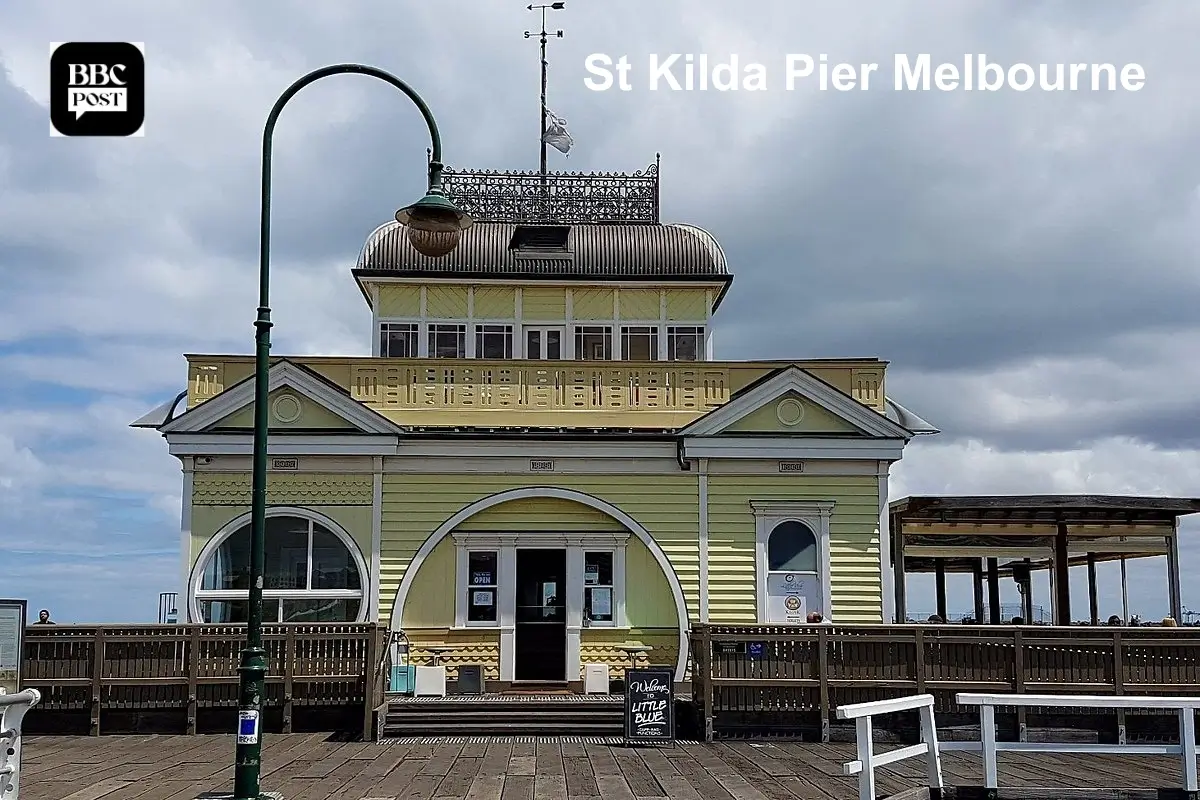
St Kilda Pier Reviews St Kilda Pier is one of Melbourne’s most recognisable coastal landmarks and continues to hold its position as the top-rated attraction in St Kilda, ranked number one out of 59 things to do, with more than 570 verified reviews and an overall rating of around 4.4 out of 5. Its appeal lies not in spectacle or ticketed entertainment, but in space, views, wildlife and ease of access. Located just five kilometres from Melbourne’s CBD, the pier offers a direct connection to Port Phillip Bay and remains one of the city’s most visited public places.
For generations, St Kilda Pier has been used for walking, fishing, sitting, observing the water and, more recently, watching Little Penguins return from the sea at dusk. It functions as a shared civic space rather than a single attraction, drawing locals and visitors who are looking for time outdoors without the need for planning or payment.
Location, Setting and Surroundings
St Kilda Pier is located at Pier Road, St Kilda, Victoria 3182, Australia, extending from the St Kilda foreshore into Port Phillip Bay. It sits directly beside St Kilda Beach and is within walking distance of Acland Street, Catani Gardens and the St Kilda Sea Baths precinct. The pier also connects to a small marina and harbour area, which is used by recreational boats and adds to the working coastal character of the site.
The pier’s position allows uninterrupted views across the bay and back toward the Melbourne skyline. On clear days, the city’s buildings are sharply visible across the water, while sunrise and sunset create some of the most photographed views in the area. The open setting means there is little shelter from wind, but it also gives the pier its sense of openness and scale.
How to Get to St Kilda Pier
St Kilda Pier is well serviced by public transport and is easy to reach without a car. Trams run directly from Melbourne’s CBD to stops within walking distance of the pier, making it a common destination for day visitors and tourists staying in the city. Taxis and rideshare services regularly service the area, and car parking is available along the foreshore and nearby streets.
Because of its proximity to the city and strong transport connections, the pier is often visited on short trips, during lunch breaks, or as part of a longer walk along the bayside foreshore.
Opening Hours and Public Access
The pier is accessible seven days a week from 6:00 am until 5:30 am the following day, meaning it is open for most of the day and night. This extended access allows visitors to experience the pier in different conditions, from quiet early mornings to busy evenings.
While the pier itself remains open, certain areas, particularly around wildlife viewing at the breakwater, may operate under controlled or scheduled access at specific times. These restrictions are in place to manage crowds and protect the resident wildlife.
A Short History of St Kilda Pier
St Kilda Pier has existed in various forms since the mid-1800s, when early timber jetties were built to support maritime trade and transport along Melbourne’s growing coastline. As shipping needs changed and St Kilda developed into a seaside suburb, the pier gradually shifted from a working structure to a recreational one.
The construction of the breakwater was a significant moment in the pier’s history. Built to shelter boats from bay conditions, it unintentionally created an ideal nesting environment for Little Penguins. Over time, this colony became one of the pier’s defining features and added ecological significance to the site.
In recent years, redevelopment works have modernised the pier, improving safety, accessibility, lighting and seating while preserving its role as a public, open space rather than a commercial venue.
What Visitor Reviews Reveal
Across hundreds of reviews written over many years, visitor feedback about St Kilda Pier has remained remarkably consistent. The pier is regularly described as calm, scenic and easy to enjoy without expectation.
Visitors most often highlight the views across Port Phillip Bay, the sightlines back to the Melbourne skyline and the ability to walk or sit without feeling rushed. Many reviewers note that the pier feels authentic and unforced, with no entry fee and no requirement to participate in any activity.
At the same time, reviews repeatedly warn about conditions. Wind is frequently mentioned as strong, regardless of season, and many visitors note that evenings can feel cold even during summer. Several reviewers describe leaving early due to the cold, advising others to bring warm clothing and not underestimate the exposure to weather.
Crowds are also mentioned, particularly around sunset and during penguin viewing times. These comments are usually framed as practical advice rather than complaints, with most visitors accepting that popularity is part of the pier’s character.
The Little Penguins of St Kilda Pier
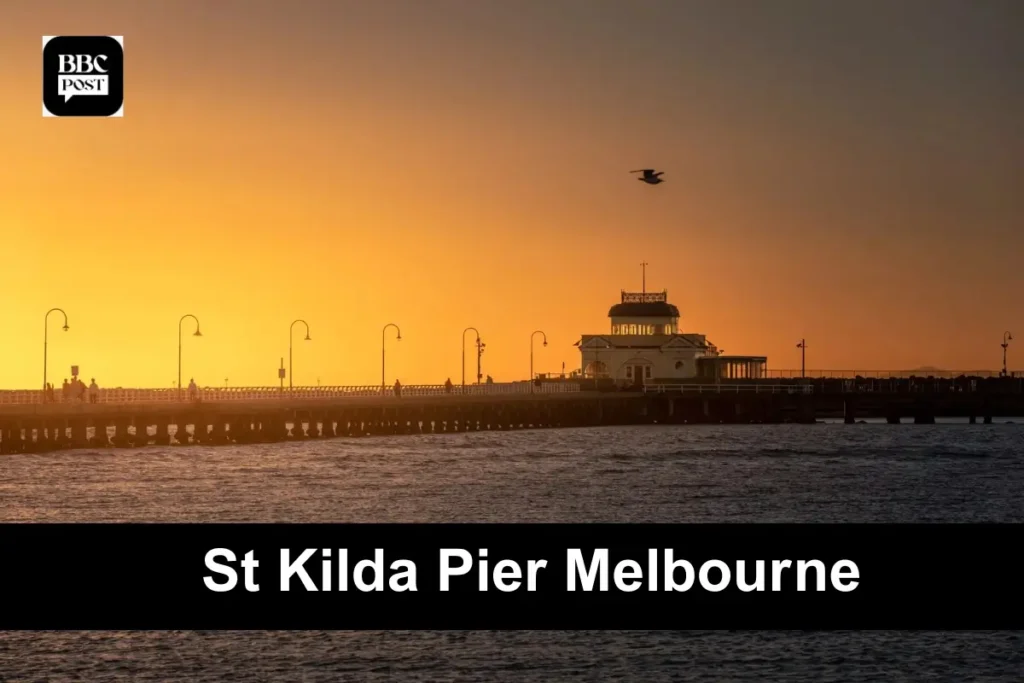
One of the most distinctive features of St Kilda Pier is its Little Penguin colony, which lives among the rocks of the breakwater at the end of the pier. This colony is one of the few in Australia located so close to a major city, making it a rare opportunity to observe wildlife within an urban environment.
Penguins typically return from the bay shortly after sunset, making dusk the key viewing time. To protect the birds and their habitat, penguin viewing is carefully managed.
Visitors can observe penguins from the dedicated viewing platform at the pier or, in some cases, from charter boats operating in the bay. Viewing sessions are free but ticketed, with limited capacity to prevent overcrowding and reduce stress on the animals. Wildlife professionals and trained volunteers manage these sessions and provide guidance to visitors.
Strict rules apply during penguin viewing. Flash photography, white lights and torches are not permitted, and visitors must not approach or touch the penguins. These measures are essential to ensuring the long-term survival of the colony and are actively enforced.
Walking the Pier and Spending Time Outdoors
Walking the length of St Kilda Pier is the most common activity. The surface is flat and wide enough for shared use, with seating placed along the way to allow visitors to stop and take in the view. The walk is suitable for people of all ages and mobility levels.
The pier is also used by people who simply want to sit, watch the water, or observe boats moving through the bay and marina. Many visitors describe the experience as restorative rather than stimulating, valuing the chance to pause without distraction.
Fishing, Boating and the Marina Area
Fishing is permitted from designated sections of the pier and remains popular with locals, particularly in the early morning and late afternoon. The nearby marina and harbour area support recreational boating, adding movement and activity to the water around the pier.
These uses reflect the pier’s ongoing role as a working part of the foreshore, rather than a purely decorative structure.
Cycling, Inline Skating and Movement Around the Foreshore
Cycling and inline skating are popular along the foreshore paths near the pier, where wider shared paths allow for smoother movement. For safety reasons, cyclists must dismount when on the pier itself, and inline skating is not encouraged on the pier due to wind exposure and pedestrian traffic.
Running on the pier is discouraged rather than prohibited, largely because of the narrow width, strong winds and shared pedestrian use. Signage reinforces these guidelines to maintain safety for all visitors.
Picnics, Families and Nearby Green Spaces
St Kilda Pier is widely regarded as good for kids, particularly when combined with nearby Catani Gardens. This foreshore parkland offers barbecue facilities, picnic tables, open lawns and a playground, making it easy for families to spend several hours in the area.
The availability of these facilities contributes to the pier’s popularity as a casual gathering place rather than a destination that requires planning or booking.
Facilities, Safety and Accessibility
St Kilda Pier has been designed as an inclusive public space with practical amenities. It offers safe wheelchair access, supported by ramps and smooth surfaces. Handrails are installed along key sections, and lighting allows for safe use during evening hours.
Drinking fountains and toilets are located nearby, and seating is provided along the pier to allow visitors to rest. These features make the pier accessible to older visitors, families with prams and people with limited mobility.
Shared-use rules are clearly signposted, and visitors are encouraged to be aware of weather conditions and other users.
The Best Times to Visit
Early mornings at St Kilda Pier are typically quiet, with calmer conditions and fewer people. Late afternoons offer softer light and clear views across the bay, while evenings bring city lights and the possibility of penguin sightings.
Regardless of time or season, visitors are strongly advised to bring warm layers. Wind and temperature changes are common, and conditions can feel significantly colder than inland areas.
Nearby Attractions and the Wider St Kilda Area
St Kilda Pier forms part of a broader bayside precinct that includes St Kilda Beach, Acland Street’s cafés and bakeries, Luna Park and the St Kilda Sea Baths. This concentration of attractions allows visitors to combine walking, dining, leisure and sightseeing in a single visit.
The pier often acts as a starting or finishing point for exploring the area rather than the sole focus of a trip.
Conclusion
St Kilda Pier remains one of Melbourne’s most valued public spaces because it offers something increasingly rare in a growing city: free access to water, wildlife and open air within minutes of the CBD. Its appeal is steady rather than spectacular, built on views, atmosphere and the chance to slow down.
By understanding the weather, respecting wildlife and arriving with realistic expectations, visitors can experience St Kilda Pier as it has been enjoyed for generations as a place to walk, watch and breathe at the edge of the bay.
FAQs
Can you still see penguins at St Kilda Pier?
Yes, you can still see Little Penguins at St Kilda Pier. The penguin colony lives among the rocks of the breakwater at the end of the pier. Penguins usually return from the water shortly after sunset. Viewing is managed through designated platforms and controlled sessions to protect the animals, and access may require free tickets due to capacity limits.
What happened to St Kilda Pier?
St Kilda Pier underwent a major redevelopment to improve safety, accessibility and public facilities while protecting the penguin habitat. The upgrades included new walkways, seating, lighting and improved viewing areas. The pier remains open to the public, with some areas subject to managed access during wildlife viewing times.
Can you walk on St Kilda Pier?
Yes, St Kilda Pier is open for walking. The pier has a flat surface and is suitable for casual strolls, with seating along the way. It is accessible for people of different ages and mobility levels, including wheelchair users. Cyclists are required to dismount, and running is discouraged due to wind exposure and shared pedestrian use.
Is it worth going to St Kilda, Melbourne?
St Kilda is widely regarded as worth visiting, particularly for its beach, foreshore walks, cafés, parks and relaxed bayside atmosphere. St Kilda Pier is one of the area’s main attractions, offering views across Port Phillip Bay, wildlife experiences and easy access from Melbourne’s CBD.
How deep is the water at St Kilda Pier?
Water depth around St Kilda Pier varies depending on location, tides and proximity to the breakwater and marina. Near the pier and harbour areas, the water is generally shallow to moderate, becoming deeper further out into Port Phillip Bay. Exact depths are not fixed and can change due to natural conditions.
Does anyone still live in St Kilda?
Yes, St Kilda is an established residential suburb of Melbourne. It is home to a mix of long-term residents, families, renters and apartment dwellers. While it is a popular visitor destination, it remains a functioning neighbourhood with schools, housing and community facilities.
Can you swim off St Kilda Pier?
Swimming directly off St Kilda Pier is not recommended. The pier is used for walking, fishing and boating activity, and the presence of boats, currents and marine life makes swimming unsafe. Swimming is better suited to designated beach areas along St Kilda Beach.
Which pier burnt down in the UK?
One of the most well-known pier fires in the UK was Hastings Pier, which suffered a major fire in 2010 that destroyed much of the structure. The pier was later rebuilt and reopened after extensive restoration. Another notable fire occurred at Weston-super-Mare Grand Pier in 2008.

