

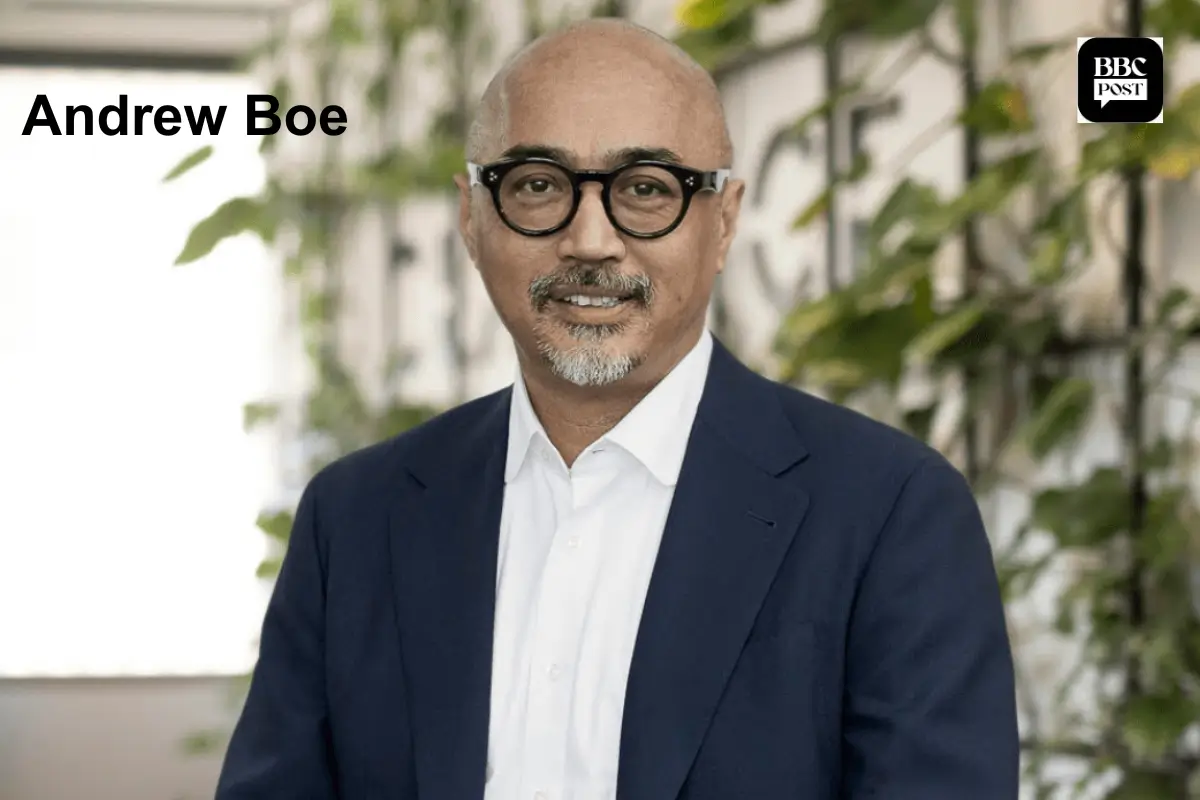
Andrew Boe is an Australian barrister whose professional life spans more than three decades across criminal trials, appellate courts, coronial inquests, defamation litigation, and public law proceedings. First admitted to legal practice in 1989, his career has involved appearances in courts and tribunals across most Australian jurisdictions, including the High Court of Australia. His standing within the legal profession has been shaped by sustained courtroom advocacy, complex appellate reasoning, and involvement in cases that have carried significant legal and public consequence.
Rather than building a public profile through media exposure, Boe’s reputation has developed through judgments, inquest findings, and professional appointments. His work reflects the practical realities of criminal and public law practice, where legal principle, procedural fairness, and accountability often intersect with intense scrutiny.
Entry Into Legal Practice and Early Criminal Law Work
Andrew Boe was admitted to legal practice as a solicitor in 1989. From the outset, his work focused on criminal defence, an area of law requiring detailed engagement with evidence, forensic material, and procedural safeguards. During this period, Australian criminal practice was undergoing significant change, driven by expanding forensic techniques, evolving sentencing principles, and increasing media attention surrounding serious crime.
Before coming to the Bar, Boe spent nineteen years as the principal of a criminal law firm based in Queensland. His work during this time involved defending clients facing serious criminal allegations, many of which attracted public attention and complex evidentiary challenges.
In 2005, he was accredited as a Criminal Law Specialist in Queensland, a designation recognising advanced experience and professional competence. He was also appointed to the Queensland Law Society Criminal Law Specialist Accreditation Committee, contributing to the assessment and regulation of specialist criminal practitioners.
Major Criminal Matters as a Solicitor
The Ivan Milat Trial
One of the most prominent cases of Andrew Boe’s solicitor career was his involvement in the defence of Ivan Milat during the NSW serial killings trial between 1994 and 1996. The prosecution followed an extensive investigation into the deaths of seven backpackers whose remains were located in Belanglo State Forest.
The trial involved complex forensic evidence, witness testimony, and procedural issues arising from extraordinary media coverage. Defence lawyers scrutinised the handling of evidence and raised concerns about the impact of pre-trial publicity on jury impartiality. Boe acted as a solicitor within the defence team during the trial period.
Milat was convicted in 1996 and sentenced to multiple life terms. The proceedings became one of the most widely examined criminal trials in Australian history and later featured prominently in discussions about defence ethics, legal process, and public misunderstanding of criminal representation.
Political Corruption Appeals
Andrew Boe also acted for David Ettridge, co-accused with Pauline Hanson, in successful appeals relating to political corruption charges. These proceedings focused on appellate error and legal principle rather than political argument, reinforcing the function of appellate courts in correcting trial-level outcomes.
Palm Island and the Mulrunji Doomadgee Inquest
A defining public law matter in Andrew Boe’s career was his representation of the Palm Island community at the coronial inquest into the death of Mulrunji Doomadgee in 2004. Doomadgee, an Indigenous man, died shortly after being taken into police custody.
The inquest examined medical findings, police conduct, investigative processes, and institutional accountability. Issues of transparency, forensic interpretation, and responsibility were central to the proceedings. The findings marked a significant moment in national discussion about deaths in custody and the operation of coronial oversight in Australia.
Boe’s role in this matter involved representing community interests and contributing to the legal examination of systemic issues raised by the death.
Transition to the Bar and National Practice
In 2009, Andrew Boe was called to the Bar in Queensland and New South Wales, transitioning from solicitor practice to full-time advocacy. In 2022, he signed the Victorian Bar Roll, extending his formal practice across three jurisdictions.
He operates a national practice and holds chambers in:
- Sydney – Black Chambers
- Brisbane – Carbolic Chambers
- Melbourne – Parnells Barristers
His practice includes trial advocacy, appeals, judicial review, coronial inquests, commissions of inquiry, defamation litigation, and professional disciplinary proceedings.
Areas of Legal Practice
Andrew Boe’s work as a barrister spans multiple areas of law:
In criminal law, he has appeared in matters involving serious sexual offences, large-scale drug manufacture and supply, fraud and corruption, dangerous driving causing death or injury, serious assault, unlawful killing, and murder.
In appellate and public law, he has acted in criminal appeals, judicial review proceedings, human rights matters, and professional disciplinary cases.
He has also appeared in defamation and media law proceedings, including jury trials, and in coronial inquests and commissions of inquiry.
Committee Memberships and Professional Appointments
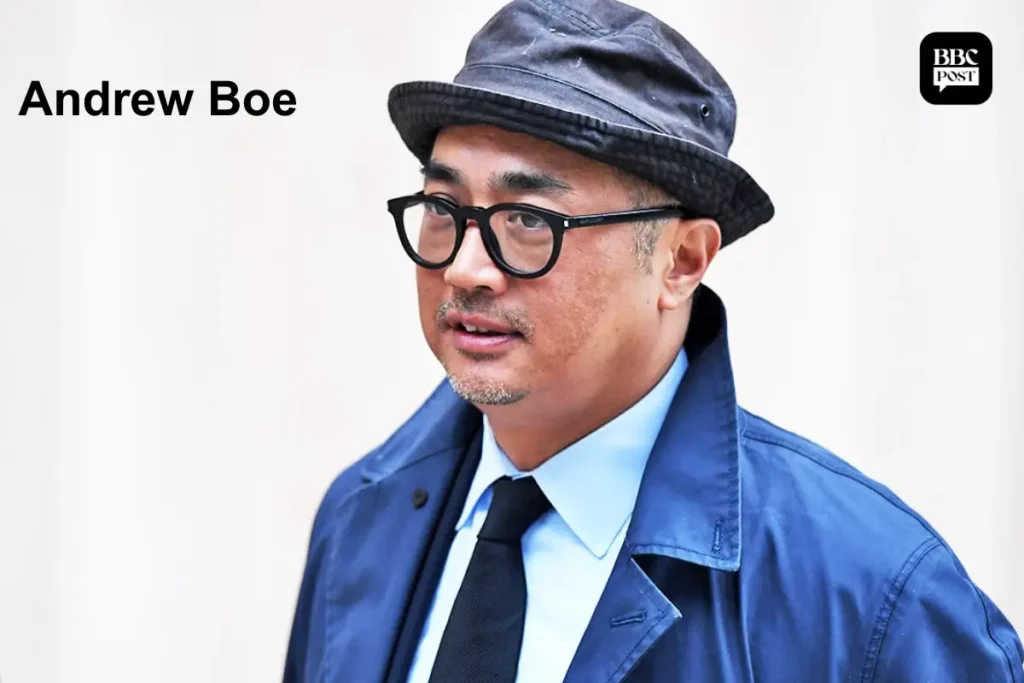
Andrew Boe has held a number of professional committee roles, including membership of:
- Queensland Bar Association – Criminal Law Committee
- New South Wales Bar Association – First Nations Committee
- Australian Bar Association – Indigenous Committee
- Australian Bar Association – Criminal Law Committee
In 2012, he was accredited as specialist appellate counsel by Legal Aid NSW, recognising his experience in appellate advocacy.
High Court and Appellate Work
Andrew Boe has appeared in multiple matters before the High Court of Australia, contributing to the development of criminal and sentencing law.
In BBH v The Queen, the Court addressed the admissibility of uncharged acts in criminal trials and the directions required to prevent unfair prejudice. In Smith v The Queen, the Court resolved conflicting state approaches regarding jury disclosure of voting numbers during deliberations. In State of Western Australia v Munda, the Court examined how sentencing judges should consider Aboriginality and cultural context.
He has also appeared before the Queensland Court of Appeal, NSW Court of Criminal Appeal, Full Court of the Northern Territory, and the Full Court of South Australia, including in Kerin v The Queen, a fraud conviction appeal involving a former legal practitioner.
Northern Territory Child Protection and Public Law Matters
In addition to inquiries, Andrew Boe has acted in Northern Territory child protection and welfare proceedings, including judicial review matters concerning statutory interpretation and decision-making under Territory legislation. These cases involved complex questions of administrative law, cultural context, and the limits of executive power.
Defamation and Media Law Litigation
Andrew Boe has been involved in extended defamation litigation, including matters that progressed through:
- Multiple jury trials
- Appeals to the Queensland Court of Appeal
- Applications for special leave to the High Court
- Subsequent retrials
One prominent case involved parents who raised concerns about racial vilification experienced by their adopted children at a school. The litigation concluded with jury verdicts in favour of the parents, following a prolonged legal process.
Author of The Truth Hurts
Andrew Boe is the author of The Truth Hurts, a book drawn from his professional experiences in criminal law and public proceedings. The work explores ethical pressure, media influence on trials, and the emotional demands of long-term legal practice. It is positioned as reflective rather than instructional, offering insight into the lived reality of criminal advocacy.
Career Timeline
- 1989 – Admitted to legal practice
- 1994–1996 – Acts for Ivan Milat during NSW serial killings trial
- 2004–2006 – Represents Palm Island community in Mulrunji Doomadgee inquest
- 2005 – Accredited as Criminal Law Specialist (Queensland)
- 2009 – Called to the Bar in Queensland and New South Wales
- 2012 – Accredited as specialist appellate counsel by Legal Aid NSW
- 2012–2015 – Appears in High Court of Australia matters
- 2022 – Signs Victorian Bar Roll
- Present – Continues national practice as a barrister
Conclusion
Andrew Boe’s legal career reflects the demanding reality of criminal, appellate, and public law practice in Australia. From early work as a criminal defence solicitor to senior appearances before appellate courts and the High Court, his professional record is defined by sustained courtroom advocacy rather than public visibility. Across major criminal trials, complex appeals, coronial inquests, defamation proceedings, and regulatory matters, his work has addressed issues of fairness, accountability, and legal principle at moments of significant public and legal consequence.
Rather than being shaped by personal narrative or controversy, Andrew Boe’s standing is grounded in case law, judicial reasoning, and long-term engagement with Australia’s justice system. His career demonstrates how legal responsibility operates in difficult and often contested spaces, where outcomes depend on evidence, procedure, and the careful application of the law.
FAQs
Who is Andrew Boe?
Andrew Boe is an Australian barrister with more than three decades of experience in criminal law, appeals, public law, inquests, and defamation proceedings, including appearances before the High Court of Australia.
When was Andrew Boe admitted to legal practice?
Andrew Boe was admitted to legal practice in Australia in 1989 and later called to the Queensland and New South Wales Bars in 2009.
What areas of law does Andrew Boe practise in?
He practises in criminal law, appellate advocacy, public and administrative law, coronial inquests, defamation and media law, and professional disciplinary proceedings.
Did Andrew Boe work on the Ivan Milat case?
Yes. Andrew Boe acted as a solicitor for Ivan Milat during the NSW serial killings trial between 1994 and 1996 as part of the defence legal team.
What is Andrew Boe’s involvement in Indigenous justice matters?
He has represented Indigenous communities in coronial inquests, including the Palm Island inquest into the death of Mulrunji Doomadgee, and appeared in related public law and child protection matters.
Has Andrew Boe appeared in the High Court of Australia?
Yes. Andrew Boe has appeared in multiple High Court matters involving criminal appeals, sentencing principles, jury conduct, and evidentiary issues.
What is The Truth Hurts by Andrew Boe about?
The Truth Hurts is a book based on Andrew Boe’s professional experiences, examining criminal law practice, ethical pressure, media influence on trials, and the realities of courtroom advocacy.
Where does Andrew Boe practise as a barrister?
Andrew Boe operates a national practice with chambers in Sydney and Brisbane and professional association in Melbourne.

